Finding Hope in Hard Times

Illness, home repairs, and despair over America’s current political antics descended on me like a heavy grey cloud this month. So, I missed the boat in posting a Valentine’s Day-related essay. Thankfully, I’m back in writing mode now, and the slightly longer days of sunlight and the first spring songs of birds have had a healing effect. Ultimately, I’ve decided it’s never too late to post a story about Love.

This month, I want to write about hope. (Because, after all, Love and Hope go hand in hand.) How do we find hope when the world seems bleak, whether you’re a child or an adult? More importantly, how can we adults leave legacies of hope for our children?

As I watch my grandchildren delight in achieving new milestones, like conquering walking, speaking clear words, or making new friends, my heart swells with happiness for them. I remember early moments of pure joy when I was a child, oblivious to the sadnesses and stresses of the world.  But at some point, darkness can engulf you, and you may not know what to do. You hope that your parents will make it all go away. 

When I was a kid, the Vietnam War was going on. I remember war being on the news every night as my parents silently watched the reports. I remember scenes of violence and asking why the neighbor across the street had a POW flag on their porch. An even earlier memory is of my mother sobbing on the couch and me running to comfort her, asking what was wrong. She explained that President Kennedy had been shot.  I didn’t understand. I was afraid and powerless. All I could think of was to hug her and tell her I loved her.

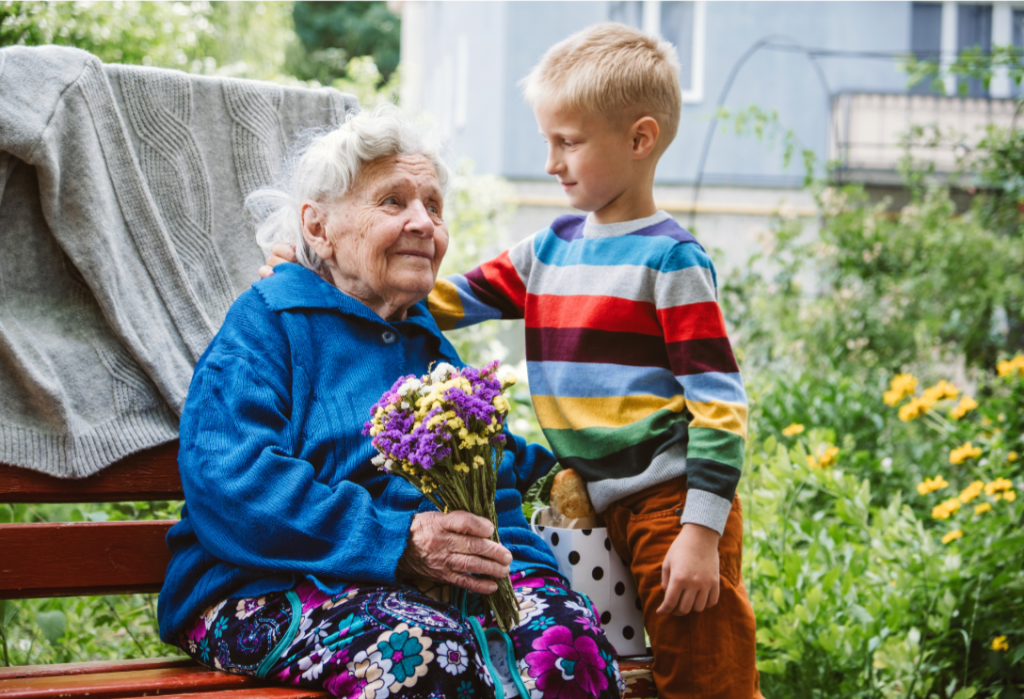
I see now that my brothers and I were our parents’ hope, just as they were ours. We believed in our Love, home, and togetherness, which would get us through everything. This is the only legacy of hope that I can leave my own child and grandchildren.  Just love one another, hold each other up in good times and bad times, keep believing in the world’s goodness, and do everything you can to surround yourself with Love and seek it.

Now, more than ever, it’s important to wear Love on our skins, to show acts of Love and tell people we love them, to let our lights shine and be beacons of hope. I know no other way to survive.

This week, I read that the actress/model/children’s author Julianne Moore has had her book, Freckleface Strawberry, banned by the Trump administration from schools run by the Department of Defense. Moore’s book is based on her childhood and promotes a theme of loving oneself just the way you are. She was devastated by the ban and can’t comprehend it, just as I’m sure other authors feel when their works appear on banned book lists.  I can tell you banning a book only makes me more curious. Aren’t we supposed to be wiser and past all such nonsense? Where is our freedom of speech?

Needless to say, I’m ordering the Freckleface Strawberry book. This banned book business has to be stopped. I won’t be told what I can and cannot read, feel, and think. In fact, I will make a greater effort to read banned books this year. So there.

I asked my husband the other day how he finds hope when the world seems dark. He said he just knows that bad things don’t last forever, and he focuses on moving forward and savoring the good things that are all around him. He endures and plows forward. This is a simple answer, but one I needed to hear. I also know he speaks up when he feels something is wrong. He makes his opinion known, and he never misses an election. My husband is right. Bad things don’t last forever. Pendulums swing.

For this month’s book review, I’ve written about a wonderful children’s book that should be read by people of all ages: LOVE IN THE LIBRARY by Maggie Tokuda-Hall and illustrated by Yas Imamura. It’s a moving story about finding Love in a Japanese internment camp during World War II. Get your hankies out. It’s guaranteed to move you and leave you with hope. You can read more about it under Recommended Reads.

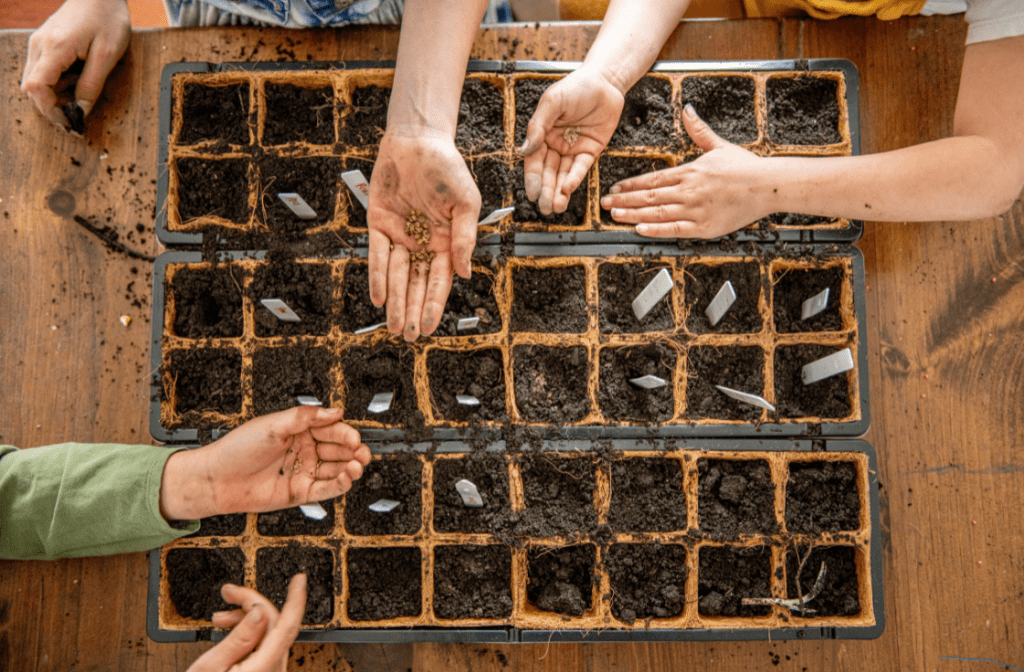
And under my Activities section, check out my Sow Some Seeds of Hope activity to welcome the coming Spring.

A Year of Firsts

One year ago, on January 15th, during a nasty winter storm, my sweet little grandson, Owen, came into the world.  I remember the anxiety I felt because, for days, heavy snow and ice were forecast.  My daughter and her husband lived in the country and had a 30-minute drive to the hospital for the baby’s delivery. Country roads are notorious for drifting and causing accidents, and I worried they wouldn’t make it.  Also weighing on me were their other two children, my granddaughters Jaycie and Hallie.  I had stayed with Jaycie when Hallie was born, but living an hour away and dealing with my own white-out conditions, I would not be able to look after the girls this time. Another nearby relative was called upon for help.

Our sweet Owen wasn’t supposed to happen, yet God had other plans. My daughter, Katie, had some health problems and difficulties with the birth of Hallie, and the doctor said she most likely could not conceive again. He was wrong. While Hallie was only a few months old, Katie received the news Owen would be joining our family.

Because of Katie’s previous birthing issues, Owen would be delivered, slightly premature, by caesarian section. I tensely waited for the news of his arrival, and at last, it came. All was well.

I didn’t meet Owen until he was about two weeks old. He was such a precious nugget and slept the entire time. He surprised us again when it was discovered that he already had a tooth, or rather a tiny calcification that had developed, not at all rooted. Shortly after being born and settling in, he was scheduled for its removal.

Owen is one of the most laid-back babies I’ve ever known.  From infancy to toddlerhood, he has been a super quiet but intense watcher, taking in all the bustling chaos of his family.   Owen is a smiler and a cuddler, which we all love.  And he’s also something else – a tough little endurer.  His first year has been fraught with ear infections to the point of him needing to have tubes installed. One side of his head appeared slightly flattened, so he had to wear a helmet for a month. Now, he is fighting Covid on his first birthday.  Through it all, Owen keeps smiling, and I’m struck by how resilient babies are.  They are born filled with hope.

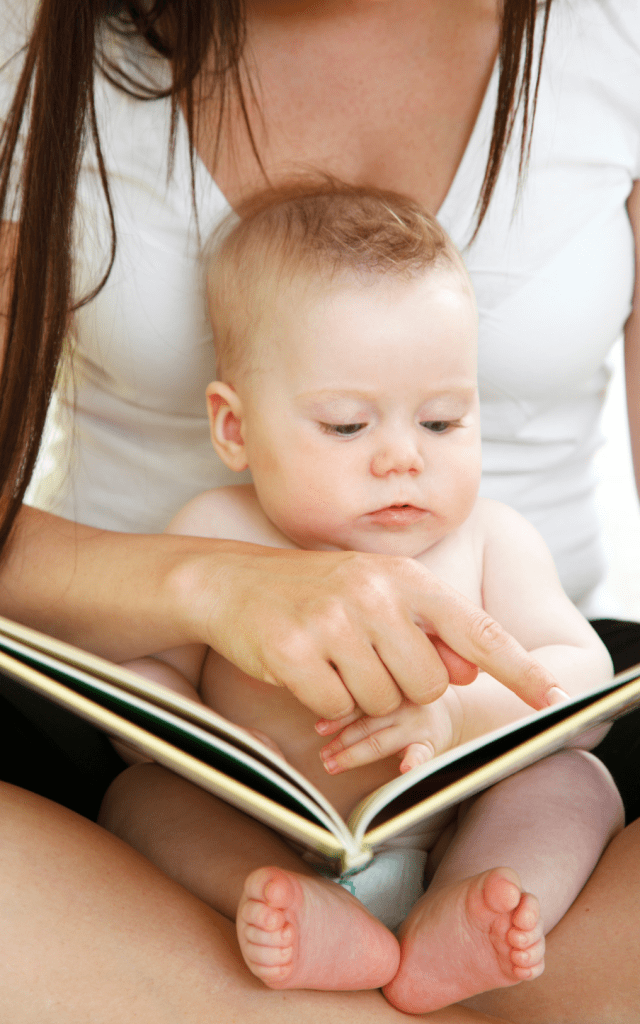
Because Owen is fighting Covid, I won’t be able to see him on his birthday, so we will celebrate in a couple of weeks. I can hardly wait to hold him and present him with a new book. He started showing an interest in books at around six months. I would sit with him on one side and Hallie on the other and read to them. Hallie would chatter incomprehensible things and turn the pages while Owen mastered pointing at things and then looking up at me in wordless communication.

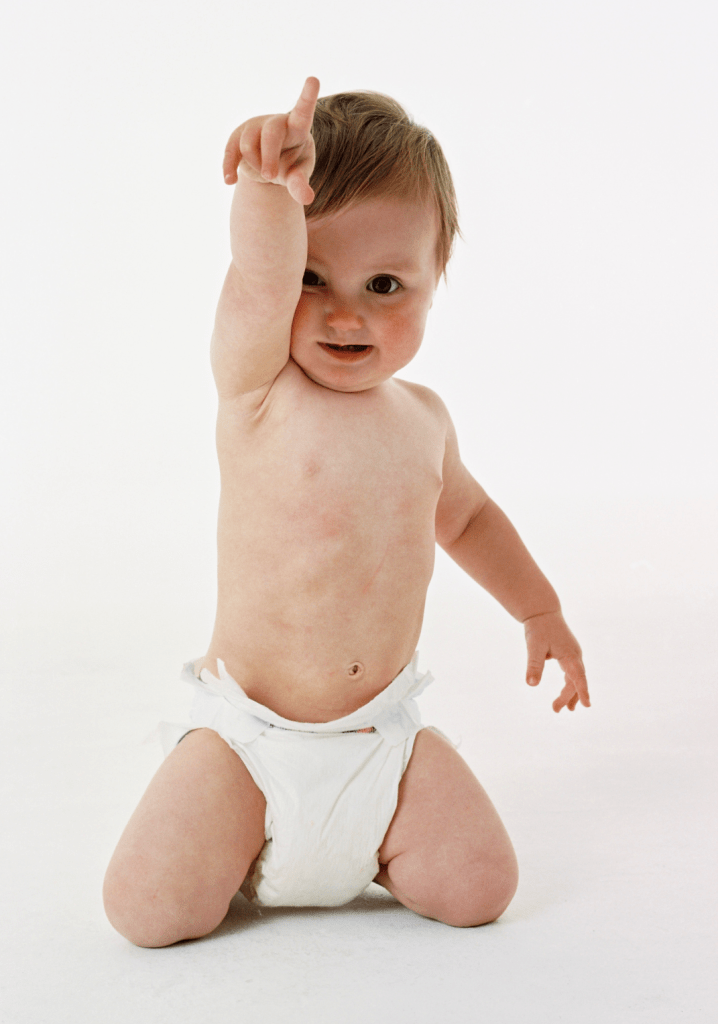
Owen’s first year, of course, has been about more than a tooth removal and several illnesses. He has learned how to roll over and crawl in the middle of it all. Christmas week, he began walking, and only days after that, he figured out how to climb.  He’s learning to feed himself and enjoys following Hallie, picking things up and dropping them (deliberately), laughing at peek-a-book, and can say two words –mama and bah (for the ball.) Like all other babies that grace our world, he is an inquisitive little sponge filled with excitement for the wonders surrounding him. And he is made for love.

Though I’ve delighted in watching my other grandchildren and my daughter as they’ve grown, seeing another baby develop and learn is something I never tire of. It is fleeting magic and yet a promise that life will go on. My cup runneth over.

This month, I reviewed the classic evergreen board book that happens to be my grandchildren’s favorite: Where Is Baby’s Belly Button? by Karen Katz. You can learn more about it under Recommended Reads.

The Gift of Time

Recently, I went out for breakfast with my dear friend, Sheri. We discussed our families’ plans for the Christmas holiday and how our large families handle gift-giving. As our families grow and disperse, it can be challenging to know what to give. My strategy has been to start planning and buying earlier, give more gift cards, and let others choose what they want. But Sheri’s take was totally different and blew me away. 

Sheri is a devout Christian. The widow of an Evangelical pastor who died young from pancreatic cancer.  Her life has been framed in the Bible’s teachings, and I can honestly say I’ve never known anyone stronger. She never strays “from God’s words.”  Her approach to the holiday is simple and beautiful. She buys one gift for every grandchild, and with all of the adults, there is an agreement – Do Something for Someone Else, then report back next year at Christmas.  Doing something for others can include a wide range of things, such as helping a friend move, running errands for someone, babysitting for a friend, or donating to a cause. It’s up to them to determine how much they want to contribute or how far they want to step out of their comfort zone. 

I love this idea of giving our time to someone else at any time of the year.  Time is a gift that fits one and all. It’s something we always want more of. So often, I have wished for someone to help me with an extra pair of hands, run errands when I don’t feel well, or sit beside me when I need to talk.  Our time is probably the most precious thing we can give to others.

After our breakfast, I thought about Sheri’s advice and asked myself if I was giving meaningful time to others who might need it and, if not, what the gift of time might look like. I was pleased to realize that I do have a habit of making time for others, though admittedly not always in the biggest ways.

Here are just a few examples of giving the gift of your time to others:

Be a Listener—Give the gift of listening to someone carrying a burden, such as sadness, frustration, confusion, or fear. Begin by learning not to just talk about yourself. Practice two-way conversation, and always sincerely ask others how they are doing. I once read that the greatest kindness you can extend to another is to say, “Tell me about yourself.”

Be a Supporter—Give something to support others who labor to do good for the world. Donate to those who need assistance in projects that help provide people with food, shelter, education, medical supplies, disaster clean-up, etc. Give your time by assisting with the work or using your time to help raise money or awareness for these causes.

Be a Partner—Do you know someone who is alone and going through tough times? Consider driving them to doctor’s appointments, accompanying them on surgery days, or bringing them food when they are ill. Help them with a building, painting, or moving project. Let them know they’re not alone.

Be a Bright Spot in Someone’s Day – Surprise the people in your world who provide essential services that keep your community humming. Bring them an unexpected plate of home-baked cookies or a bouquet of cut flowers from your garden. If you garden and have a surplus of vegetables, put them on a card table in front of your house with a sign that says “free.” I promise you someone will take you up on the offer.

Be a Companion—Connect with the elderly in nursing homes and assisted living centers. Drop in with fresh flower bouquets, cookies, or doughnuts. Donate used puzzles (with no missing pieces). Strike up conversations, play cards, and keep them company. Ask them to tell you about their lives. Many people in these homes have no visitors. Be their visitor.

Be a Volunteer—Watch your paper for volunteer opportunities. Sign up to help in different ways: at community events (promotion, set-up, and clean-up), work at a local food pantry, tend a community garden, or help at a local animal shelter.

Be a Steward – Does trash along the highway or a hiking trail upset you? Pick it up. It doesn’t teach better manners to those who leave the trash, but you are helping nature and protecting the beauty of our earth when you help combat trash dumping.  Is trash-picking not your thing? Look up what your local park district or conservation organizations are doing. Perhaps they need people to help them burn prairies, plant trees, build trails, and monitor bluebird houses.

Be an Inspiration—Donate art supplies to a school, park district, or community center. Offer to read to children at a library.

Demonstrating how to give our time to others also teaches our children and families compassion and empathy. Jesus simply said it best: “Love one another.” And that’s what Christmas is all about.

For a sweet picture book that promotes giving to others, check out Give by Jen Arena, reviewed under the Recommended Reads section of this blog.

Without Words

I had just been looking at photos of my beautiful grandchildren on the Frameo that my daughter and son-in-law gave us for Christmas a couple of years ago.  It’s a bittersweet gift for which I’m grateful.  Sweet –because I love having photos to glance at every day, making me feel like my family is near.  Bitter — because they aren’t near. They are busy living their work/school/daycare lives about an hour from me.  I don’t see them nearly as often as I wish.

Just then, my phone rang. It was my daughter on a Tuesday night at about 7:30. She usually doesn’t call just to chat on weeknights, so something was up.

“Hello,” I said. 

“Hi, Mom,” she answered in an apparent glum voice.

“What’s wrong, hon?”

“Owen has a fever, and we can’t take him to the daycare with a fever.  We’ve used up almost all our sick days with sick kids. Could you come stay with him tomorrow?” 

“Yes!!” I said, interrupting her last sentence. 

Sick or not, I live for moments with my grandkids.  Katie apologized and tried to explain that she and my son-in-law each had only one sick day left, and they were concerned about what to do if a serious illness descended upon the family. It is, after all, the beginning of flu season.  Owen is nine months old and in the midst of teething.  It was very likely his fever was associated with the teething.  He’d also recently had an ear infection that might have been lingering.  Regardless, I happily agreed to babysit.

The next day, I was up by 5:00 and on the road by 6:00, reporting for duty by 7:15.  The family was scurrying around, trying to get things together to depart for school and work.  Owen, or “Owey” as we call him, sat wide-eyed, watching, not realizing he would not go to daycare.  Hugs and kisses were exchanged, and then everyone waved goodbye.  I held Owen as we stood in the doorway and waved to everyone.  Owen is a quiet baby who rarely makes a peep.  But I could see there was deep concern on his sweet little face as his brow furrowed, watching Mom and sisters drive away. He turned to look at me as if to say, “They forgot me!”

“It’s okay, sweetheart,” I reassured.  “Granny is here to care for you, and they’ll be back.” His little fingers tightly clenched my shirt as he studied my face. 

“Let’s read a book,” I said.  In my opinion, a book is always good medicine for whatever might ail us.  I picked up a small, palm-sized board book about a frog at a pond and began to read.  Immediately, Owen was engrossed, eyes glued to each page.  He never made a sound, but his tiny index finger moved around each page, pointing at things. Wherever his finger landed, I said the name of what Owen had singled out and talked about what was happening in the pictures.  When we finished reading the book, I closed the covers and said, “All done!” He grabbed the book and opened it again, pointing. “No, Granny! We are not done,” is how I interpreted his body language. So, we read the book again.  And again, and again, and again. I loved that he loved the book, and I probably could have read it to him a hundred more times, and he would have been delighted. But I needed to find something else. I grabbed another book and after that, about six more.  Owey loves books!  There’s nothing I love more than sharing a book with a child.

After our reading time, Owen seemed fine with having a day alone with me. We progressed to playing with balls, blocks, and toys that he could throw or drop, and I’d fetch. He showed me how fast he could crawl and how skilled he’d become at pulling himself up, squatting, and then standing up again. Still no words, but he beamed with delight at his accomplishment. I picked him up, stood him on my lap, telling him I loved him, and kissed him on his neck. Owen wiggled and squealed. No words needed to tell me he was ticklish, but he liked it.

Soon, Owen whimpered and made “mmmum, mmum, mmum sounds.” I walked with him to the kitchen. “I’ll bet you’re hungry,” I said. His mom had left his food options out on the kitchen island. I picked up the can of little chewy fruit-flavored cereal puffs, and his eyes indicated he approved.  I poured some into my hand, and quickly, he grabbed one after another and shoved them in his mouth. I then gave him some bits of banana, which he loved. But when satisfied, words were unnecessary to tell me he’d had enough.  He raised his hands, stretched, and ran his sticky banana-coated fingers through his hair! A thorough wash-up followed. 

After breakfast, we watched a little Mickey Mouse, and I noticed Owen staring without blinking as if entranced. He’d been awake since six a.m., and it was now 10:30. Could he possibly be sleepy?  I shut the television off and turned him so he could lay his head on my shoulder. Then I began to rock him and sing. As I sang, I gently stroked the side of his face, and quickly, his eyes closed. Within minutes, he was asleep.  I’d read the signs correctly.  It may have been many years since I raised a baby, but I still could understand them, though they spoke no words.  I was proud of myself, and I hadn’t forgotten how.  But more than anything, I hoped that though Owen couldn’t talk and might not know the meaning of words, he would understand how deeply I love and believe in him. I firmly believe that while words are helpful, they aren’t necessary to convey everlasting love.

Because our sweet Owen is such a quiet-natured child, I’ve reviewed The Quiet Book by Deborah Underwood, illustrated by Renata Liwska, for this month’s book review under Recommended Reads.

And just for fun, you can practice reading people’s expressions (like I read Owen’s) with my Quiet Communications worksheet, which is found under the Activities section of this blog.

My Favorite Time of Year

Autumn has always been my very favorite time of year. The colorful foliage and cooler temperatures energize me and stimulate my creative impulses. Over the last four years, I’ve particularly enjoyed participating in some fall writing contests for children’s picture book authors. One is the Fall Writing Frenzy Contest hosted by author Lydia Lukidis and literary agent Kaitlyn Sanchez. The other is Susanna Leonard Hill’s Annual Halloweensie Writing Contest. Both contests require themed stories (fall or Halloween-related) that use a minimum of words. The Fall Writing Frenzy Contest requires that you choose from a handful of selected images provided by the contest hosts and use that image to inspire your story of 200 words or less. The Halloweensie contest requires using three particular words in your story, and the word count is limited to 100. These challenges offer writers real growth as we focus on the economy and magic of our word choices. Best of all, winners are awarded fantastic prizes, such as free books and manuscript critiques from literary agents and published authors, and there are nice opportunities to connect with and support other writers.

So, here are my entries for the two contests. I had great fun writing them. You’ll notice they are quite similar in theme, and I rhymed again—something I try not to do too often, but what can I say? It happens. I hope you enjoy them.

Entry for the 2024 Halloweensie Writing Contest:

The Craving                                                                              

by Julie Lerczak            (96 words)

One Halloween, no stars shined.

Branches creaked. Black cats whined.

Roaming witches zoomed up high.                                                                                           

Trick-or-treaters tiptoed by.

Creeping, sneaking, looking out,                                                  

freaky things lurked about.

Moaning zombies, toothy rats,                                        

goblins wearing spikey hats.

Creatures gathered in the street,

growling loud, stomping feet.

Each had cravings. Each went wild,                             

stalking, chasing every child!

Children ran. They shrieked and screamed.

All around, monsters teamed.

“Please, don’t eat us,” wee ones cried,                      

chilly, shaking, terrified.       

The monsters stopped in their tracks.

“Hold on there! Please relax!

Eat You? Why, we never would!        

We want candy! Oh, so good!”


Entry for the 2024 Fall Writing Frenzy Contest:

Something Stirred in the Lake          (188 words)

By Julie Lerczak

Bubble and slurp,

Gurgle and burp,

Something stirred in the lake.

It swished and swirled,

Then mud was hurled.

Someone was wide awake.

Upon a bank,

Slimy and rank,

It crawled and looked around.

There, up ahead,

A worn path led,

Straight to an old campground.

The “Thing” smelled smoke,

From burning oak,

Stirring a mournful moan.

Driven to eat,

The “Thing” craved meat,

And juicy marrow bone.

Hurried it went,

Tracking a scent,

Hopeful to find a meal.

Full moon howling,

Tummy growling,

It ran and drooled with zeal.

A camper sat

Atop his mat,

Feeding a golden flame.

He, too, could eat

Some tender meat,

Be it wild beast or tame.

The “Thing” walked in

Screaming a din.

The camper, unafraid,

Said, “Take a seat.

Put up your feet.

A feast for two, I’ve laid.”

Surprised and pleased,

The “Thing” then eased

Into a happy scene.

Sitting on logs,

They ate hot dogs

Along with hot canned beans.

There was no fright.

There was no flight.

There was no blood and gore.

Just two new friends,

Sorting out their day’s ends,

Sharing hot dogs, then s’mores.


You can enjoy more of the contest entries by checking out the following blogs:

Back to Our Future

Just when you think everything in your life is perfect and going smoothly, things can change abruptly sending you into a tailspin. SUCH is my life now.  Four years ago, my husband and I moved from the country to a city, so I could be closer to my mother, who was terminally ill. It was a difficult, but necessary move and it all happened rather quickly. After months of searching for the perfect home, my ceramics instructor told me of another one of her students who had to move quickly because her husband’s health was failing, and she needed to be nearer family for support. We met with her, shook hands, and made a quick “as is” deal. Before we knew it, we had parted ways with our country life.  

It took a while to adjust. The house needed much work and though we pushed ourselves and accomplished much, it wasn’t easy with back-and-forth trips to help my mother. We were living on adrenaline. On top of it all, COVID hit, turning the world even more on end. Since moving here, we lost my mother, moved Tom’s mother to an assisted living center, and sold both our mothers’ houses plus our old country house. We totally renovated the house we moved into, fought our own bouts with COVID, helped care for & homeschool our granddaughter when her school shut down during the pandemic, had two surgeries, re-landscaped the yard, made new friends, welcomed two new grandchildren, and finally began to feel settled. Yet like the old folk tale of the Princess and the Pea, something wasn’t quite right.

Sometimes the uneasiness would creep in at the strangest times. At a recent Fourth of July family fish fry, while people around us laughed and talked and children chased one another with sparklers, my husband heard the song of a wood thrush. He got up and walked away from the festivities, following the bird’s song to the nearby woods. It had been years since we’d heard one and the longing to be in the country tugged at his heart.  I too had my moments. It’s summer and my mind and body expect to be tied up in a garden.  I’ve planted many flowers at this home, but also a small, raised garden bed for vegetables.  Everything is ready for harvesting now. We’ve had onions, radishes, strawberries, green peppers, eggplant, and tomatoes. I stuck some asparagus and rhubarb in among the flower beds and wanted to keep planting. But alas, there simply wasn’t room for any more in our tiny backyard. I turned to foraging and began to harvest the wood sorrel, clover, purslane, lilies, and dandelions – not because I needed food, but because I so deeply needed the connection to nature. 

Two weeks ago, Tom and I packed a picnic and drove to a nearby lake for lunch and some birdwatching.  On the way home we took a wild goose ride through the country and came upon a humble little ranch house sitting at the edge of some woods. There was a for sale sign. At the same time, we both caught our breath.  We parked in the middle of the road pondering what was before us, then slowly drove away in silence. After a few seconds, I asked, “Should I call a realtor, so we can look at it?” His response was “Yes.” That was on a Monday. On Tuesday, we toured the property. Wednesday, we made an offer. Thursday the offer was accepted. Friday, we prepared to list our house on the market and headed to the bank for a loan. The next week the real estate listing went live, the new house had a home inspection, our loan is being processed and every day we work on packing up our belongings and periodically leaving the house so prospective buyers can tour our home.

To say we are filled with emotions is an understatement. We are stronger for the hard times we’ve survived, and proud of all the work and improvements we’ve accomplished. But we are also sad to leave our house and the comforts of daily habits we’ve established here.

I lay awake at night trying to figure out how our things will fit into the new house if I will have to part with beloved keepsakes, and if I can make the new house feel like “home.”

I voiced my concerns to a friend who responded – “you’ll make it a beautiful home because that’s what you do. You take a blank canvas and create something.”  I was touched by her belief in me. So, despite bits of sadness we’re feeling, we are also excited by future possibilities… bigger gardens to plant, favorite bird songs to savor, and living more in sync with the land and the seasons.  We may be seniors, but in our hearts still want to roam, play, explore, and grow big ideas. No doubt this next chapter in our lives will stir my writer’s heart and inspire me to write more children’s stories. I can hardly wait.

For this month’s children’s book review, you can read about House Mouse by Michael Hall, under the Recommended Reads section of the blog.

Growing with Children’s Books

About twice a month, I visit my local library and stock up on children’s books to study. I always suspect that other library patrons wonder why a 64-year-old woman is reading children’s books instead of adult best-sellers. But this is something children’s authors must do to stay on top of publishing trends and learn tricks from other writers.  It’s also helpful to see the checkout dates on the inside book covers, which reveal how many times children have checked out the books, thus possibly revealing where their interests lie. Children’s librarians are also very helpful. They know what children like to read and what’s popular and closely monitor new publications in the juvenile book world.

Last month, one of the books I read was Gwendolyn’s Pet Garden by Anne Renaud, which you can learn more about on this month’s Recommended Reads page. In it, Gwendolyn (the main character) obtained seeds from her local library’s card catalog, which puzzled me. A brief note in the book’s backmatter explained that some libraries repurpose their old card catalogs by using them to hold donated seeds for a gardeners’ seed-saver exchange.  How brilliant, I thought.  So, when I returned my books to the library, I looked around, and what do you know – I spotted their old card catalog, pulled out a few drawers, and, low and behold, the drawers were filled with seed packets. This little discovery led me down another rabbit hole where I’ve learned more about this wonderful program.

What exactly is a “Seed Library?” 

A seed library is a place where people who want to grow flowers, herbs, or vegetables can obtain seeds for free (or a small fee). Seed libraries can be found in public libraries or community centers.

How did Seed Libraries Begin?

It turns out that seed libraries have been around for a while, but the seed library movement didn’t really take off until the last decade or two. The first seed library, established in 1999, was located at the Berkeley Ecology Center, Berkeley, CA. Their seed exchange program was known as BASIL (an acronym for Bay Area Seed Interchange Library.)  Then, in 2004, a man named Ken Greene developed the first seed library hosted at a public library, the Gardiner Public Library in Gardiner, N.Y. After that, I guess you could say that seed libraries began to bloom all around the country and now the world. Today, hundreds of public libraries in the U.S. feature a seed library collection.

How Seed Libraries Work

Libraries, clubs, schools, or non-profit organizations obtain seeds from seed banks, such as SEED SAVERS, seed companies, or through donations from gardeners and agricultural organizations. They then organize and catalog the seeds, making them available to the public using old card catalog files or other display methods.

The goal of seed libraries is to:

  • Expand public access to crops, encouraging people to grow their own food.
  • Educate people about gardening in specific growing zone climates and conditions.
  • Preserve agricultural biodiversity by focusing on rare, local, or heirloom seed varieties.
  • Share abundance.

Each seed library operates differently. Some seed libraries simply give the seeds away, but most encourage patrons to take some seeds, grow them, save some seeds from their harvest, and then bring them back seeds for the seed bank to re-distribute for future gardeners.

Some seed libraries also host seed “swaps,” where gardeners can bring seeds to trade with one another and offer gardening programs.

Humans have been saving the seeds from their harvests for over 10,000 years. But today, we live in an age where people have become unaccustomed to the ritual and experience of growing their own food. Gardening helps people connect with the earth and seasons in meaningful ways. Seed Libraries are an innovative approach that encourages folks to get back in touch with the practice of gardening. Seed libraries also offer the public another way to engage with their local library.

Whether or not you have access to a nearby Seed Library, you can become a seed saver and enjoy the experience of growing something good to share with family and friends. Check out my Sowing Abundance activity under the Activities section of this blog to learn simple ways to harvest, store, and grow seeds at home.

Forever Friends

Recently, I received a surprise phone call from one of my best friends. We hadn’t spoken in a long while, and when we talked, it was as if we’d never been apart. We picked up right where we’d left off. To me, that’s the sign of a true and lasting friendship. No matter what time or distance lies between you and a soul mate, you’re never really that far apart.

I’m blessed to have several super close friends. And the funny thing is that of the six I think of as “sister-friends,” four have been my friends since I was a kid. As I’ve gotten older, it seems more challenging to make new friendships, and I’m trying to figure out why. I’m not an unfriendly person by any means, but I think we become more wary of others and protective of our personal space and thoughts as time passes. In youth, we are more receptive to connecting with others, always looking for partners to share life’s ride.

From kindergarten until 7th grade, I felt like I had no close friends for what seemed like the longest time. Though there were many kids I played with in our neighborhood or at school, I felt a bit adrift until I reached junior high.

I remember the day I met my dear friend, Nan.  That summer, a neighbor boy named Mark would frequently come to our house to play basketball with my brothers. One day, Mark was excited because our church was getting a new pastor. My family had stopped attending church, and Mark thought I should come back because the new pastor had three daughters, and one was my age and would want to make new friends.  I balked, thinking Mark must have a crush on the new girl.  Since I was secretly smitten with him, I felt jealous that he mentioned this other girl he was impressed with. I decided then that I didn’t care to meet her. 

Summer soon passed, and the first day of school arrived.  I would be going to junior high. My classes would no longer consist of the thirty or so classmates I’d known in elementary school.  Now students from all the other schools in our town would be there too.  There would be many new faces, and I was a bit nervous, wishing I had a close pal to stick to during this adjustment period. 

In my homeroom, I recognized only a small number of former classmates.  To my right sat a nice-looking girl with long brown hair and a charming smiley face.  I smiled back.  “I’m Julie, “What’s your name?” I asked. “I’m Nan Flaherty,” she replied.  “I just moved here.” Right away, I suspected she was the girl that Mark had mentioned. “Do you know Mark Butler?” I asked.  She lit up. “Yes! He goes to my church!” she said. “He’s my neighbor,” I replied. “He told me about you and said we should meet.” And the rest was history.

Instantly, we clicked and stuck together for the next six years. I loved Nan. She was and still is a perpetually happy person who laughs easily and sees everything on the bright side.  I’m prone to bouts of doubt and low self-esteem, so Nan was good for me.  She pulled me along on her happy journey through our teen years. And I’m so grateful. I’ve often wondered what my life would have been like had I never met her. I feel strongly that she saved me and brought out my best self. Nan also helped me widen my circle of dear and trusted, fun-loving friends.

Nan and I have remained close friends for 51 years, which I can hardly believe. The time has flown.  We saw each other almost daily for those first six years. However, once we graduated from high school, we went our separate ways, and we maintained our relationship through writing and only occasional visits every five or ten years. Nan married and had a large family. I married, had one child, divorced, and remarried.  We both had careers. She was a social worker, and I was a museum educator mostly, but I tried on many other professions along the way – archaeological technician, librarian, environmental educator, cake decorator, restaurant owner, substitute teacher.

Despite devoting our time to our families, careers, and various interests, we’ve managed to hang onto one another. When we make those rare phone calls, it’s as if we are still those girls who met so long ago. And I still love her so much.

I have several other sister-friends—Brenda, Hope, Ann, Katie, and Sheri—who have stood the test of time and know my deepest darkest secrets, hopes, and fears. They’re friends I’ve laughed and cried with and who I’d run to in a heartbeat if they needed me.

At thirteen, my granddaughter, Jaycie, has found her best friend, coincidentally at the same age I was when I met Nan.  Only a couple of years ago, she confided in me that she wished for a close friend but couldn’t find one.  I told her she’d find one when she least expected it.  Then, one summer, she began talking more and more about a special collection of pals she’d made at YMCA day camp. The name “Hadley,” in particular, became a household word. I told Jaycie I was so happy she’d found her tribe. “Oh, grandma,” she said, smiling. “I love that!  I have a tribe!” “Well, they are, you know,” I said. “They’re your people — your collection of trusted friends. You’re a little family of kindred spirits.”  And it had happened when she wasn’t expecting it to. It was easy and organic.

Unexpected friendships can be game-changers when you find them, regardless of your age. Friends can give us the incentive to try new things. They help us understand that we are worth loving. They add joy to our lives and make us want to love, make room for others, and be part of all the goodness in the world. I wish everyone on earth had someone close they could call a best friend at some point.

Be sure to check out this month’s book review under Recommended Reads. Best Frints in the Whole Universe by Antoinette Portis is sure to make you smile.

Spring Cleaning

Every year at about this time, the city where I live holds community clean-up week, which not-so-coincidentally occurs when college students move out of their rental properties after graduating.  This is a big deal for little towns like mine. It’s the custom for some residents to drive around and pick through other people’s trash before the garbage trucks haul it away.  You might be shocked to learn this about me, but I am not ashamed to say that I am sometimes one of those pickers. 

It’s an old tradition that dates to my grandparents and probably their parents before them. Late in their lives, my grandma and grandpa ran an antique business. They combed the newspaper ads to see what people were selling, checked out yard sales, estate sales, and auctions, and once a year traveled to Ohio for buying trips.  They saw gold in other people’s discards. Their business was called Treasures and Trash Antiques.  I loved accompanying them on their treasure hunts, and I guess, as I still drive by heaps of old furniture on someone’s boulevard, I feel a slight rush of adrenaline.  Most of the time, trash is absolute trash. But sometimes, people throw out the most amazing things.

I’m not the collector I used to be.  I’m at an age now where I have more than enough and have been downsizing certain things. In fact, I’m overwhelmed, still sorting through items from my parent’s estate and my Mother-in-law’s.  Yesterday was Mother’s Day and the day before spring clean-up week.  The family scavenging trait is alive and well in my daughter Kate.  After spending a lovely day together, she left my house, drove out of town, and gawked at the clean-up heaps.  She called me on the way home to share that she’d found an antique dry sink and was thrilled because she could use it to hold a flowering plant as part of her shabby-chic garden art. It tickled me, and I know her grandparents and great-grandparents would smile down upon her and her creative repurposing nature.

This morning, I decided to contribute my part to the clean-up.  I ventured to the garage to sort through boxes and bags of accumulated items. The first box I opened was filled with my mother’s sewing supplies.  Though I seldom sew and probably couldn’t use all of her sewing notions, I was overcome by memories of her working on dress patterns or crafting gifts for her family and friends. The bags of thread and ribbons smelled like her and her home, and quickly, I was transported to that other realm.  I am unable to part with these things yet. So, I sealed up the bags and will wait for a better time to deal with things emotionally. 

Then, as luck would have it, I had a phone call with my darling cousin Sheri. As we visited, I mentioned that it was spring clean-up week, and before I knew it, we planned a date. She’ll be at my house tomorrow morning, so we can drive around town to see what’s left on people’s trash heaps. Neither of us needs a darn thing, but the thrill of the hunt is too strong to resist. I swear I will do everything I can to resist impulsively grabbing just any useful thing and focus only on unique, once-in-a-lifetime treasures. Or better yet, I’ll help Sheri find what she wants.  Mostly, it will be a time spent loving a crazy-fun family tradition with my dear friend. And maybe we’ll enjoy a great cup of coffee and a doughnut along the way.

Having said all this, you might think I’m a hoarder. But SURPRISE! I am NOT. While I own quite a bit, admittedly more than I need, I do try to downsize, pass things on to others, and regularly donate stuff to Goodwill.  Sometimes, lots can cloud my thinking, and I long for open space and a fresh take on things.  Another way I part with things is by reselling them.  I rent a booth space in an adorable boutique where I sell a mixture of antiques, collectibles, and items I’ve crafted.  The money I make from these items is usually spent on writing webinars and children’s books, which I think is a good thing!

All in all, my grandparents had it right. Waste not, want not, but DO pass things on when you’re done using them or stop caring about them. Life is a dance of making room for new things, whether they are tangible or experiences.

For this month’s Recommended Read, I’ve reviewed a children’s book about another collector: Mr. Pack Rat Really Wants That by Marcus Ewert. Illustrated by Kayla Stark (Plum Blossom Books – 2018.)

Under the Activities section of this blog, you can also find a “Cute as a Button Note Cards” project for “repurposing” any button collections you might have lying around.

From the Mouths of Babes

This month, I had the great pleasure of attending my first SCBWI (Society of Children’s Book Writers and Illustrators) conference. It was a regional meeting for the Midwest held in Davenport, Iowa – a 3-day affair featuring presentations by outstanding published children’s authors, literary agents, and publishers. Attending all the informative sessions made me feel like I was back in college again. I felt invigorated by each speaker’s insights and messages. Equally beneficial was meeting many wonderful writers from Illinois, Iowa, Minnesota, Wisconsin, and Indiana who share the same love for children and the power of children’s literature. I have to say, children’s writers are perhaps the friendliest people on earth. I’ve attended many other conferences, but this one was different. Everyone was an instant friend and kindred spirit.

In the days before I went, I was battling with that dreaded beast writers fight – Imposter Syndrome. Though I’ve been writing for five years, taking tons of courses, participating in critique groups, paying for professional critiques, and even experimenting with self-publishing some of my stories, I’ve struggled to feel like a “real writer.” I thought I was on my way to feeling “real” last year when I landed a contract with a literary agent. But alas, she could not sell my manuscript within six months, so my contract was not renewed. Opportunity had slipped through my fingers so quickly. This is one of many harsh realities of the writer’s journey.

I learned from the conference and visits with others that this is all part of the writing experience. There are many obstacles for writers before they become published, just as there are for agents. One agent told of how she must wade through 5000 queries per year, and of those 5000, she may sign on only two new clients. Also, 80% of her attention is devoted to serving her older clients, so the time she must consider new manuscripts is minimal. It’s a wonder anyone can get traditionally published.

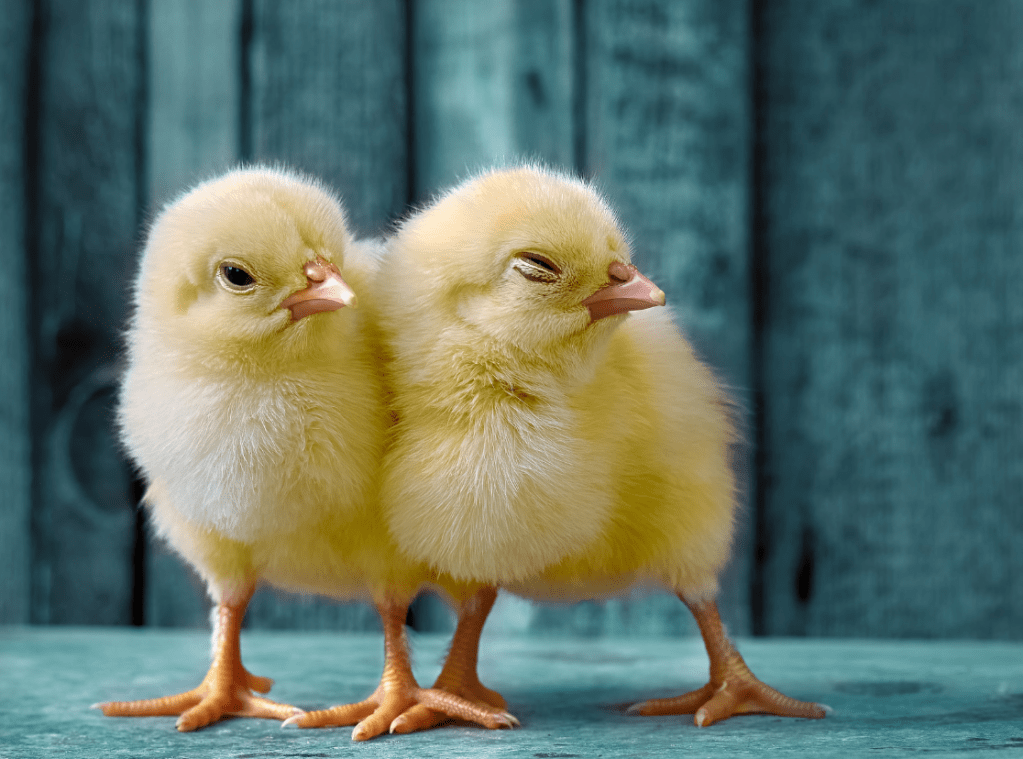
The other great struggle for me is being prolific in developing new ideas. Though I spend time writing, revising, and studying the craft daily, I can go for long periods without new ideas. At the conference, I met a lovely woman from Wisconsin who also struggles with writer’s block. She admitted it was tough to come up with ideas for new stories because she’d lost her husband a year ago and was still adjusting. She lives on a farm in Wisconsin and struggles to hold it together, yet doesn’t want to leave. She mentioned chickens. I understood. I lived in the country for many years and raised chickens. I’ve grieved over leaving rural life and have missed my little feathered friends for years. They were a great delight for me – therapy really when I became my parents’ caretaker toward the end of their lives. While this discussion was taking place, another woman sat beside us and chimed in. She turned to me and said, “You should write about your chickens. There’s a book in there.”  

You could have knocked me over with a feather. It was so obvious. Why hadn’t I thought about writing about my love for chickens? I came home and did just that as soon as the conference ended. I was amazed at how quickly the story poured out of me, and my critique members praised it. Perhaps that’s because it’s a story from my heart.

I’m reminded of my precocious granddaughter, who is now twelve but has said insightful things for her entire life. Once, she told me a tale of something she imagined, and I asked her what would happen. She responded, “We don’t know what we don’t know, Grandma.” Her straightforward, profound statement took my breath away. She was right. We don’t know what we don’t know. So why not just take a chance, a risk, and put our words – our thoughts – our efforts out there for the world to consider? Maybe something will resonate, and we will grow from it.

So that is now my mantra whenever I’m feeling writer’s block. I don’t know what I don’t know, but I’ll never find out if I don’t try.

Because April makes me think of Spring Chickens, under Recommended Reads, you can learn more about Chicken Talk, a picture book by Patricia Maclachlan, illustrated by Jarrett J. Krosoczka, Published by Katherine Tegen Books, 2019.

And under Activities, you’ll find a “Scrambled Eggs” chicken-themed worksheet.