Kidlit agents and publishers say that a child should see themselves in books. That can mean a lot of things. They might imagine themselves in a setting, situation or emotion. Perhaps a book addresses a problem or wish, the reader has. These kinds of books often touch our hearts – we feel a deep tie to them and return to them repeatedly.
This week I read one that really grabbed me, Emelia Wishing by Belen Medina, illustrated by Magdalena Mora (Random House Studio, 2026). It is a story in which I saw a bit of myself, but also, my mother and grandmother. It has set off a week of remembering and analyzing. When I already loved these women with all my heart, this story makes me love and appreciate them even more. (You can read more about Emelia Wishing under the Recommended Reads section of this blog.)
Emelia Wishing lightly addresses the kind of poverty and struggle that many families face. I lived similarly to the book’s main character. Though I never thought of my family as poor, it was always understood that we needed to live carefully and frugal decisions were important. I knew from family stories that my mother experienced poverty as a child and my grandmother, a child of the Great Depression, knew poverty even more so.
I vividly recall wanting things my parents couldn’t afford, being told to make choices, to be patient, and following my mother to the lay-away desk. It was a way of life for us. The struggle to earn money, save it, prioritize how it was spent, and make wise choices was never hidden from me or my brothers. I have a particular memory of a winter when my brothers and I wore warm poofy coats, mittens and boots as my mom drove us to school, shivering in her thin coat and canvas tennis shoes with a hole in one of the toes. I wished she could crawl into my coat to share the warmth. My grandmother saw how Mom dressed too. That Christmas Mom received a green winter coat, and I remember her tears of gratitude.
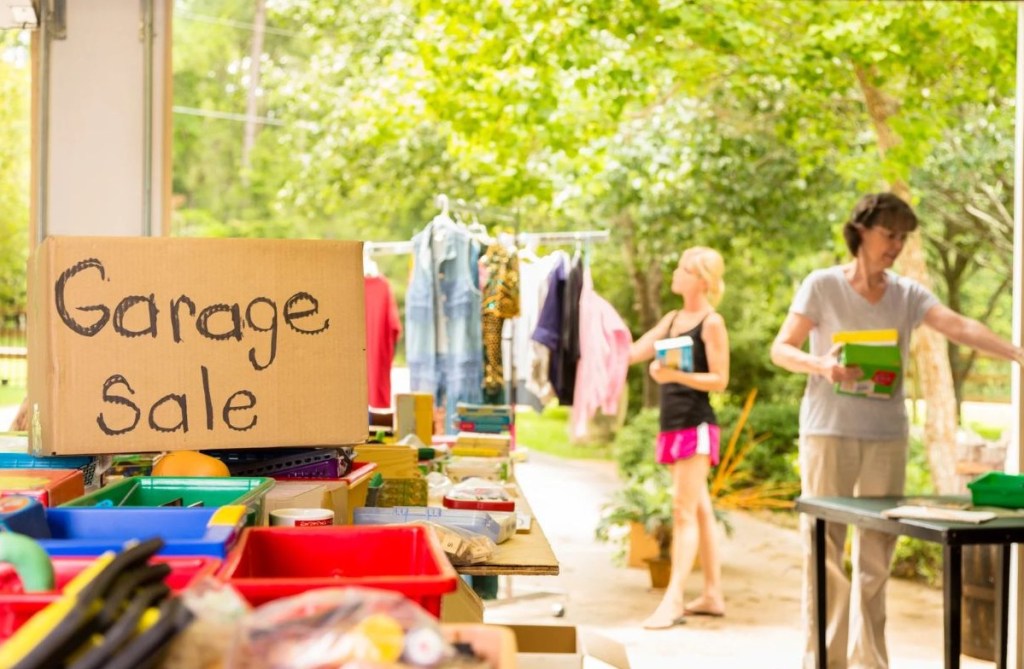
Going to yard sales was always a tradition in my family – a way of coping and managing tight purse strings. We loved hunting for bargains. But it was a learned love for my mother. She told me that when she was a girl her mother would bring home clothing from rummage sales. Mom always felt self-conscious wearing them, worrying that some girl from school might recognize the old dresses and make fun of her.
Then there was my grandmother’s childhood. One I would describe as extreme poverty. There were nine children in her family. Grandma was in fact born in a train box car where her family lived at one point. Grandma and her siblings walked up and down the railroad tracks collecting lumps of coal that had fallen off trains. The coal was carried back home and thrown into a stove to keep them warm. Grandma remembered eating only popcorn for many of their dinners. When her hair began falling out, likely from malnutrition, she was sent to live with her grandparents who helped nurse her back to health. She was frightened but deeply bonded and thankful to them. But at the same time she wanted to return to her parents, brothers and sisters – afraid to be separated from them. As grandma grew, she and her siblings each learned how to hunt and fish for their meals. Her childhood meals consisted of rabbits, squirrels, catfish, and the occasional racoon.
Once Grandma grew up and became a mother herself, she continued to do what she knew to survive and provide for her family. Eventually after her kids were raised and left to live on their own, she and my grandfather got the idea of making a business out of reselling items of use or value that they picked up at yard sales and auctions. They had a shop called Treasures and Trash where they sold antiques, and used items like baby cribs, tools, lamps, and other things people might need. A treasured memory from my childhood is tagging along with my grandparents to yard sales and auctions, seeking useful items for resale. I learned a good deal about recycling, and repurposing in the process.
There’s an old saying, “Use it up, wear it out, make it do, or do without.” I still see the wisdom in that type of lifestyle and wish more people thought like this. It seems we live in such a “throw-away” society. Appliances, computers, phones aren’t made to last for decades or to be repaired. They are tossed and replaced with newer models. Clothing with holes isn’t repaired – it’s thrown out. Some families don’t even save the leftovers from supper, for another meal. We live in a world where we are led to believe we are incomplete without the latest, newest, shiniest, next best thing.
Today I am comfortable in my retirement, buying what I want, when I want it– the result of years of hard work, but certainly from the sacrifices made by my loved ones as well. I like to think I am a careful, never wasteful person. I suspect I will always feel my heart flutter when I drive by a yard sale or thrift store. I learned important things from a lifetime of thrift. Like Emelia who learned the value of a dollar and the very real struggle to earn money, I too found joy in seeing my parents and grandparents receive the things they wished for and so richly deserved.

